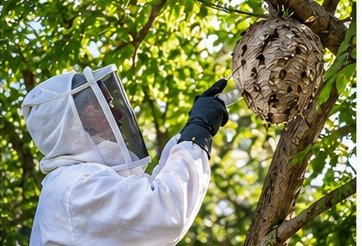
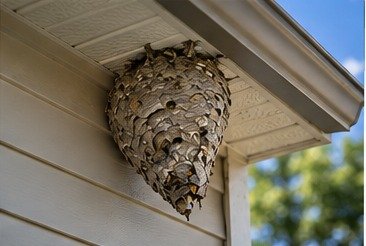
Wasps, hornets, yellow jackets and other stinging insects can build nests around eaves, trees, walls, yards and other areas around the home. Pestora locates the nest, treats the colony and removes accessible nests after activity has subsided.
Stinging insects build nests in a variety of locations around the home, from eaves and trees to wall voids and underground spaces. Pestora can locate, treat and remove accessible nests when appropriate.
Common Pestora calls include paper-wasp nests in trees and beneath eaves.
OUR TREATMENT PROCESS
From Active Nest to Removal
01 LOCATE
Identify the nest and determine whether it is exposed, underground or within a wall or structural void.
02 TREAT
Apply an appropriate professional insecticide treatment to the nest, wall void, ground nest or nesting area.
03 ALLOW ACTIVITY TO SUBSIDE
Depending on the situation, the treated nest may be left in place for approximately 24 hours so returning foraging insects can contact the treated area.
04 REMOVE & TREAT THE AREA
When accessible and appropriate, remove the nest after activity has subsided and treat the former nesting area to help discourage re-establishment.
Not Every Nest Is Out in the Open
EXPOSED NESTS
Exposed nests are often easier to identify visually and can be treated directly when accessible.
Trees
Eaves
Porch ceilings
Sheds
Exterior structures
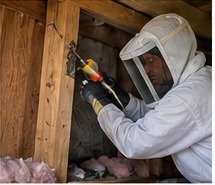
HIDDEN NESTS
Pestora has protective equipment, including bee-suit protection, and can inspect and treat concealed nesting areas when accessible. Service does not include structural demolition.
Wall voids
Soffits
Attics
Siding
Underground cavities
Choose the Right Service
ONE-TIME STINGING INSECT TREATMENT
Starting at $125
Nest inspection
Professional nest treatment
Accessible nest removal
Treatment of the former nesting area
Appropriate follow-up if activity persists
Final pricing may depend on nest location, accessibility, number of nests and complexity.
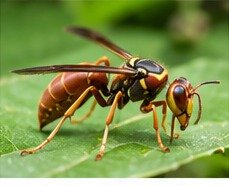
Commonly associated with open-comb nests beneath eaves, porch areas and trees or shrubs.
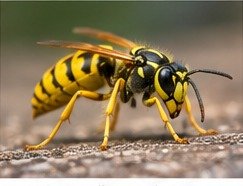
YELLOW JACKETS
May nest underground or in hidden structural spaces.
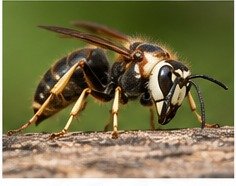
HORNETS
Can create aerial nests in trees or around structures.
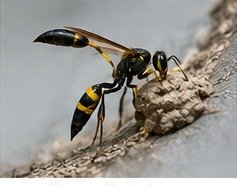
MUD DAUBERS
Build distinctive mud nests on protected surfaces.
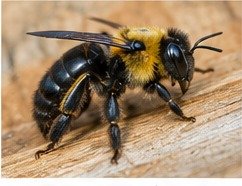
CARPENTER BEES
Often associated with exposed or unfinished wood and may require a different treatment approach.
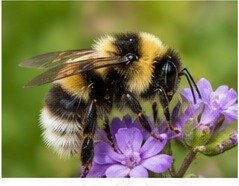
BUMBLE BEES
May nest in protected ground or structural areas.
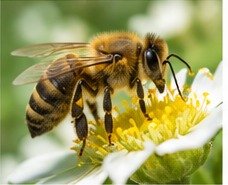
HONEY BEES
Pestora does not treat honey bees. Contact an appropriate beekeeper or bee-removal professional.
Do not approach an active nest simply to identify it. If you are unsure what you are seeing, Pestora can help evaluate the situation. These images are educational aids, not definitive diagnostic tools.
Once the colony has been treated and activity has subsided, Pestora removes accessible nests when appropriate and treats the former nesting area. This helps clean up the structure and may reduce the chance of insects immediately reusing the same protected location.
TREAT THE COLONY
Apply professional treatment to the nest or nesting area.
REMOVE THE NEST
Remove accessible nests after activity has subsided when appropriate.
TREAT THE FORMER NEST AREA
Apply treatment to the former nesting area to help discourage re-establishment.
OUR COMMITMENT
Still Seeing Activity?
If treated stinging-insect activity persists, contact Pestora. We’ll evaluate the site and provide an appropriate follow-up according to the terms of your service.
What Our Customers Say
★★★★★
“Very pleased and satisfied with my service. He was amazing, knowledgeable, respectful, on time, and went above and beyond.”
Pestora treats common nuisance stinging insects such as paper wasps, yellow jackets, hornets, mud daubers, carpenter bees, and bumble bees when treatment is appropriate. Pestora does not treat honey bees.
When the nest is accessible and removal is appropriate, Pestora can remove it after activity has subsided. Some concealed or underground nests are not safely removable.
Depending on the situation, a treated nest may remain in place for approximately 24 hours so returning foragers can contact the treated area before removal.
Pestora can inspect and treat many concealed nesting areas when accessible. Service does not include structural demolition to locate every hidden nest.