Spider Control
Spider Control in Blythewood, SC
Spider control starts with more than treating the spider you see. Pestora removes accessible webs and egg sacs, treats common entry and hiding areas, and helps reduce the insects spiders depend on for food.
- Web & Egg Sac Removal
- Interior + Exterior Treatment
- Included With General Pest Control
Starts Here.
Google★★★★★Customer Reviews



More Than Just Spray
Spider Control Starts With the Web
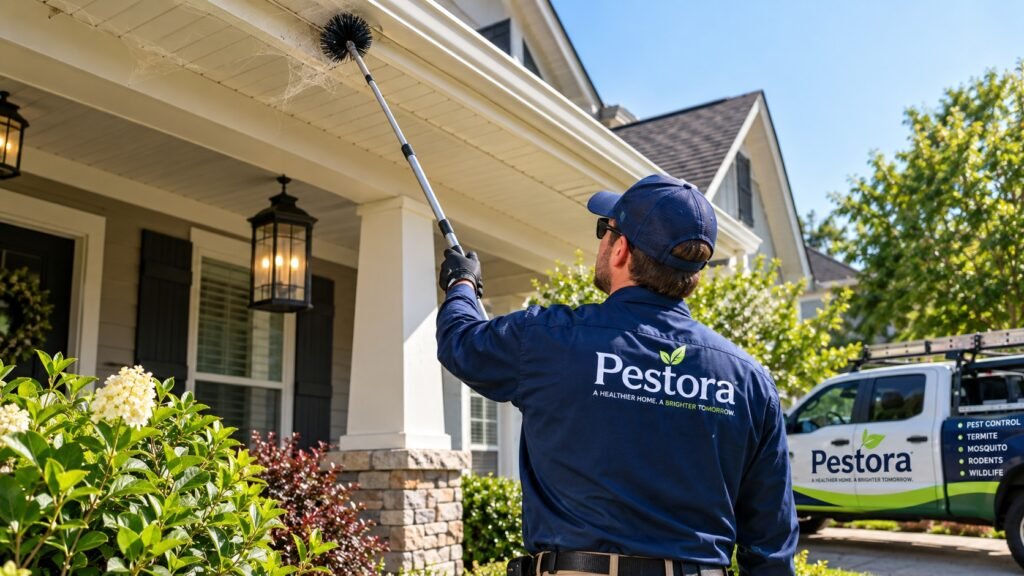
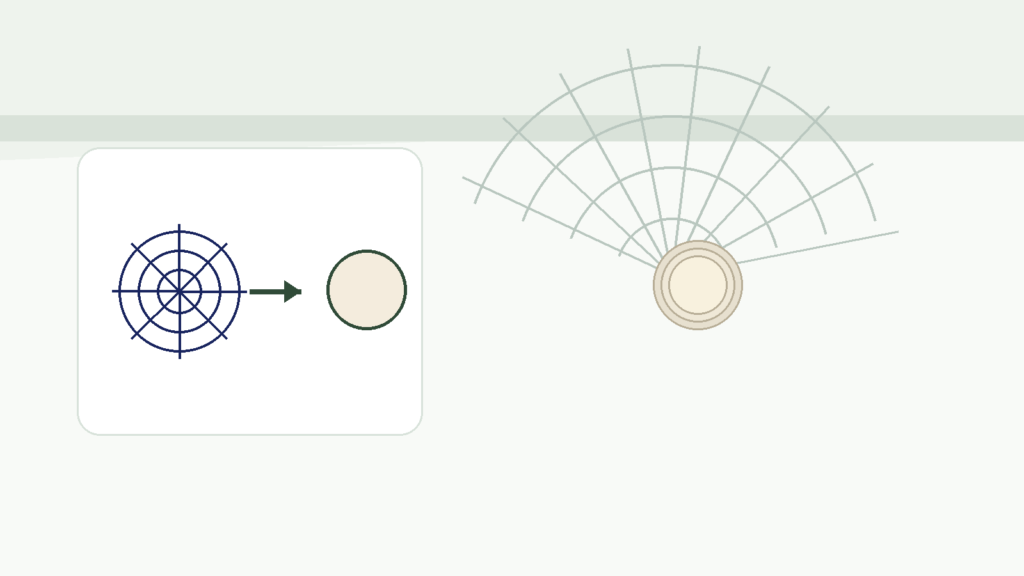
Web removal improves the appearance of your home, but it also serves an important pest-control purpose. Spider egg sacs are often associated with webs and other protected areas around the structure. Removing accessible webs and egg sacs helps interrupt continuing spider activity around the home.
Remove Webs
Accessible webs around the exterior are physically removed.
Remove Egg Sacs
Accessible egg sacs are removed along with webbing when encountered.
Treat the Area
Common spider hiding and entry areas are treated to help reduce continuing activity.
Break the cycle.
Where Spiders Set Up Around Your Home
The Places Spiders Prefer Are Often Right Around the Structure
Spiders look for protected areas around homes where they can build webs, hide and find food. Our treatments focus on these common areas.
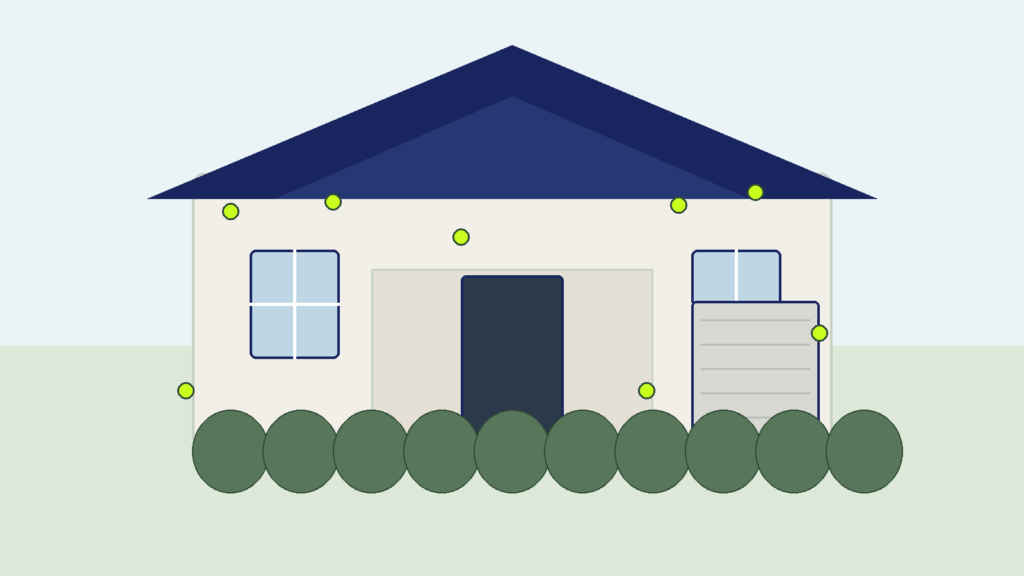
Common Spider Areas
- Eaves & soffits
- Window frames
- Door frames
- Porch ceilings
- Exterior lighting
- Garages
- Crawlspaces
- Sheds and storage areas
- Landscaping near the structure
- Utility penetrations
Why Do Spiders Keep Coming Back?
Sometimes the Spider Isn’t the Entire Problem.
Spiders go where food is available. Flies, moths, mosquitoes and other insects around the structure can provide a steady food source. Pestora’s spider-control approach also considers the insect activity that may be supporting the problem.
Fewer Insects Can Mean Less Spider Pressure.
Outdoor Lighting
Lighting, moisture and landscaping attract insects
Insects Gather
around the structure
Spiders Find Food
and settle in nearby
Webs Appear
around eaves, porches and more
Our Spider Control Process
A More Complete Approach to Spider Control
We remove webs, treat key areas and help reduce the conditions that attract spiders.
Inspect
Look for webs, egg sacs, spider activity, hiding areas and conditions contributing to spider pressure.
De-Web
Remove accessible spider webs and egg sacs around appropriate areas of the home.
Treat
Apply treatment to appropriate exterior perimeter areas, soffits, eaves, windows, doors, common entry points and interior areas when needed.
Reduce Pressure
Address the insects spiders feed on and help reduce conditions contributing to recurring spider activity.
Choose the Protection That Fits Your Home
One-Time Spider Treatment
Best for active spider problems, excessive webs, garage or crawlspace activity, interior spider concerns, or anyone wanting a standalone service.
- Inspection
- Accessible web removal
- Accessible egg sac removal
- Interior treatment where needed
- Exterior perimeter treatment
- Treatment of common spider entry and hiding areas
Ongoing Pest Protection
Spider control is included as part of Pestora’s general pest-control service.
- Regular exterior pest protection
- Web removal during service
- Spider treatment
- Treatment targeting many of the insects spiders feed on
- Ongoing pest prevention
- Follow-up when covered activity persists
Outside First. Inside When Needed.
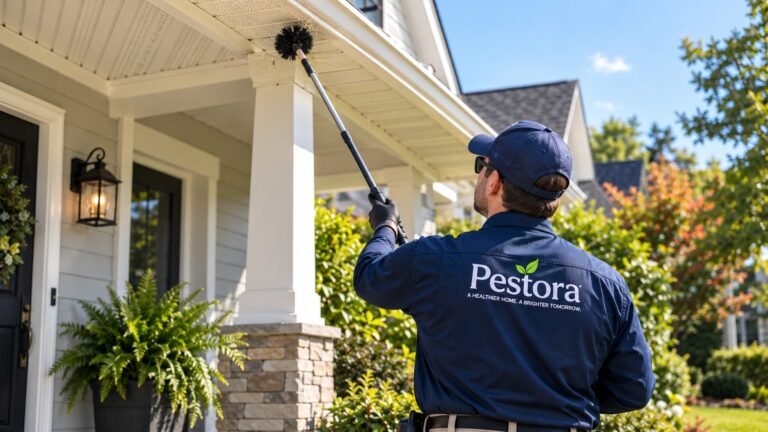
Exterior Treatment
Spider prevention is primarily exterior-focused.
- Foundation perimeter
- Eaves & soffits
- Doors and windows
- Porch areas
- Garage exterior
- Common entry points

Interior Treatment
When spider activity is occurring indoors, treatment may include appropriate areas such as:
- Baseboards
- Garages
- Crawlspaces
- Interior hiding areas
- Areas where spider activity is observed
Spider Identification
Not Sure What Kind of Spider You Found?
Most spider encounters around homes are nuisance issues, but some species may warrant additional caution. If you’re unsure what you’re seeing, avoid handling the spider directly and contact a pest professional for help evaluating the situation.
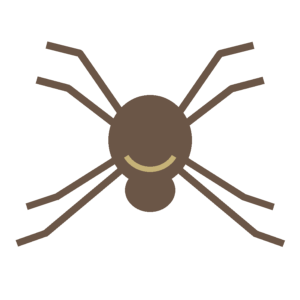
Common House Spiders
Often found around homes and typically considered nuisance pests.

Widow-Type Spiders
Some widow-type spiders are found in South Carolina. Use caution and contact a professional for identification.
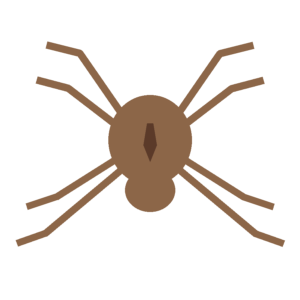
Recluse-Type Spiders
Not every brown spider is a recluse. If you suspect one, avoid handling it and let a professional take a look.
Don’t Forget the Hidden Areas
Garages
Quiet corners, storage areas, door frames and insect activity can make garages attractive spider habitat.
Crawlspaces
Dark, protected areas with moisture and insect activity may support recurring spiders and webs.
Porches & Exterior Lighting
Exterior lights often attract insects, which may in turn attract spiders.
Our Commitment
Still Seeing Spider Activity?
If covered spider activity persists after your Pestora treatment, contact us. We’ll evaluate the activity and provide an appropriate follow-up at no additional charge according to the terms of your service.
What Our Customers Say
★★★★★
“I was pleased with the service and professionalism displayed. I recommend Pestora Pest Control to everyone I know.”
Yohance Johnson · Google Review
Spider Control FAQs
Why do I keep getting spiders around my house?
Spiders settle where they can find shelter and food. Protected spots like eaves, porch ceilings, window frames and garages give them a place to build, and insects drawn to outdoor lighting, moisture or landscaping give them something to eat. Reducing both the hiding spots and the insect activity is what helps.
Does Pestora remove spider webs?
Yes. Removing accessible webs around the exterior is part of our spider service, and it’s also included during general pest-control visits.
Do you remove spider egg sacs?
Yes. Accessible egg sacs are removed along with webbing when we encounter them. Some egg sacs are placed in areas that can’t be reached or seen, so we can’t promise every sac on a property will be found.
Is spider control included with general pest control?
Yes. Spider treatment and web removal are part of Pestora’s general pest-control service, which also targets many of the insects spiders feed on.
Do you treat garages and crawlspaces?
Yes. Garages, crawlspaces and similar protected areas are common spider habitat, so we inspect and treat them whenever they are accessible and appropriate.
What should I do if I think I found a venomous spider?
Avoid handling the spider directly. If you can, keep it contained or take a clear photo from a safe distance, and contact a pest professional for help identifying it. Most spiders around homes are nuisance pests, but a professional can help evaluate what you’re seeing.
Will spider treatment eliminate every spider permanently?
No. Spiders are a natural part of the outdoor environment, and new ones can move in over time. The goal of treatment is to reduce activity around the structure, remove webs and egg sacs, and keep pressure low with ongoing service rather than promise permanent elimination.
Spider Control Across Blythewood & the Midlands
Proudly serving Blythewood and surrounding communities.
Blythewood, SC • Columbia • Irmo • Elgin
West Columbia • Cayce • Ridgeway • Winnsboro
Local Protection.
Tired of Walking Into Spider Webs?
Pestora can remove accessible webs and egg sacs, treat common spider areas, and help reduce the insect activity that keeps bringing spiders back.

More Comfortable Home.