
Rodent Control
Rodent Control in Blythewood, SC
Rodents can enter through surprisingly small openings and often stay hidden until signs begin appearing around the home. Pestora helps identify rodent activity, address the immediate problem, and find practical ways to reduce future entry.
- Fast Response
- Local & Trusted
- Residential & Commercial
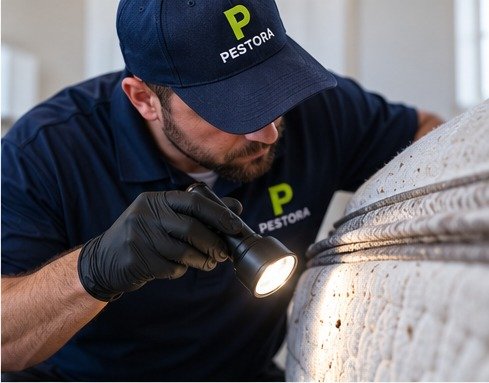
Big problems.
We find them.
Google★★★★★Customer Reviews



Common Indicators
Signs You May Have Rodents
Rodents are often active at night and stay hidden, but there are several signs that may indicate a problem. One or two signs don’t always confirm an infestation, but they’re worth checking out.
Droppings
Scratching or movement sounds
Gnaw marks
Food or package damage
Nesting materials
Grease or rub marks
Unusual pet attention
Activity in attic, crawlspace or garage
Entry Points
Rodents Don’t Need Much Space to Get Inside
Mice and rats can squeeze through surprisingly small openings. Utility lines, foundation cracks, roofline gaps and vents are common ways they find a path into a home.
- Foundation gaps
- Vents
- Utility penetrations
- Garage-door gaps
- Crawlspace openings
- Damaged screening
- Roofline gaps
- Gaps around pipes or wiring
Our Process
A Practical Approach to Rodent Control
We take a step-by-step approach to address rodent activity and help reduce the chance of it coming back.
Inspect
Identify signs of activity, likely travel areas, nesting conditions and possible entry points.
Control
Develop a rodent-control plan appropriate for the property and level of activity.
Exclude
Address or recommend practical sealing and exclusion opportunities where appropriate.
Follow Up
Recheck activity when appropriate and adjust the plan based on what is found.
More Than Just Traps
Stopping Rodents Is Only Part of the Job
Controlling current activity helps solve today’s problem. Identifying how rodents may be getting inside can help reduce the chance of the same problem returning.
Want to learn more about rodents?
Visit the Rodent Pest Guide →

Rodent Control
- Manage active rodent activity
- Use appropriate professional control methods
- Reduce current pressure
Solves today’s problem
Rodent Exclusion
- Identify entry opportunities
- Address accessible gaps where appropriate
- Help reduce future entry
Helps reduce the chance of it coming back
Common Areas
We Inspect Common Problem Areas
Attics
Crawlspaces
Garages
Kitchens
Utility Areas
Exterior Foundation
Roofline / Vents
Important to Know
Why Rodents Are a Problem
Rodents can cause damage, contaminate stored food or surfaces, and nest in insulation or hidden areas. They can also create noise and become a recurring issue if entry points remain open.
- Can contaminate food or surfaces
- May damage wires, wood and insulation through gnawing
- Often nest in hidden areas
- Can create noise and nuisance
- May return when entry points remain open
Why Choose Pestora
Local. Thorough. Focused on Solutions.
- Thorough inspections
- Local Blythewood & Midlands service
- Rodent control + exclusion capability
- Direct communication
- Follow-up based on activity
- Residential and commercial service
Real Customer Feedback
What Our Customers Say
★★★★★
“Very knowledgeable and professional. Very pleased with the time and effort spent on the inspection of our home.”
Phyllis Watkins · Google Review
Frequently Asked Questions
Rodent Control FAQs
How do I know if I have mice or rats?
Droppings are usually the clearest clue. Mouse droppings are small, about the size of a grain of rice, while rat droppings are noticeably larger. Gnaw marks, the size of any openings you find, and where you’re hearing activity also help. During an inspection we look at those details together to identify what you’re dealing with.
Where do rodents usually enter a home?
Common entry areas include gaps around utility lines and pipes, foundation cracks, garage-door edges, roofline gaps, unscreened vents and crawlspace openings. Mice can fit through very small gaps, so an inspection looks at the exterior as well as the areas inside where activity is showing up.
Does rodent control include sealing holes?
Rodent control focuses on managing current activity. Sealing and exclusion work is a separate capability. During the inspection we’ll point out entry opportunities we find, and if exclusion makes sense for your property we can discuss and quote that work separately.
How long does rodent control take?
It depends on the level of activity and the property. Many homes see a noticeable change within the first couple of weeks, but rechecks and adjustments are often part of the process. We’ll give you a realistic expectation after the inspection.
Should I remove food before service?
You don’t need to empty your kitchen. Keeping food in sealed containers, cleaning up crumbs and spills, and not leaving pet food out overnight all help. If anything specific needs to be moved before service, we’ll let you know ahead of time.
Do you inspect crawlspaces and attics for rodents?
Yes. Attics, crawlspaces and garages are some of the most common places rodents nest and travel, so we inspect them whenever they are accessible.
Service Areas
Proudly Serving Blythewood and Surrounding Communities
Blythewood, SC | Columbia | West Columbia | Irmo
Elgin | Cayce | Ridgeway | Winnsboro
Hearing Scratching or Seeing Signs of Rodents?
Pestora can inspect the problem, help identify where rodents may be active, and recommend the next step.